

Privacy
Privacy
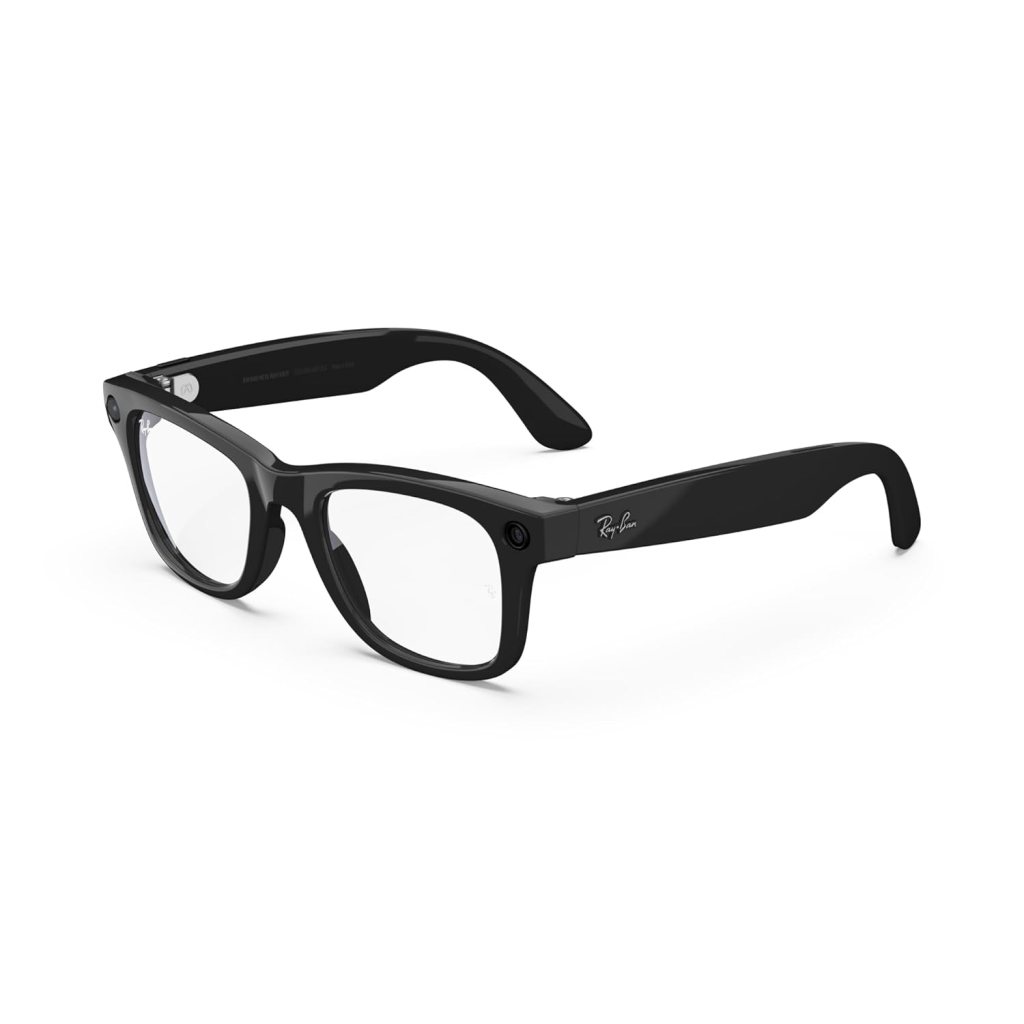
For the individual wearer, these devices act as eye-level “ambient computers” that effectively transform their daily life into a continuous data stream. Beyond capturing the world around them, wearables like smart glasses and biometric rings subject the wearer to constant personal monitoring, including the tracking of heart rate, sleep patterns, and physical movement. Advanced AI glasses can even perform “gaze tracking,” which monitors exactly where the wearer’s eyes are focused at any given moment. This level of integration means that the wearer is not just a user of technology, but a primary subject of it, with their routine locations, social interactions, and even inferred emotional states being logged and analyzed.
The privacy risk is amplified by how companies like Meta and Google manage this information once it leaves the device. Because complex AI tasks—such as summarizing a meeting or identifying a face—require significant power, the data is frequently transmitted to corporate cloud servers for processing. Once uploaded, the wearer loses direct control over their information, which may be used by the company to train proprietary AI models or indexed into massive biometric databases. For example, unique biological identifiers like “face geometry” and voiceprints are captured and stored, creating a permanent digital record that is vulnerable to data breaches or future misuse by third parties.
In the News…

TechCrunch:
Workers reviewing footage from customers’ glasses, which included sensitive content, like nudity, people having sex, and using the toilet.
March 5, 2026
NewYorkTimes:
The feature, internally known as “Name Tag,” would allow smart glasses wearers to identify people and get information about them through Meta’s AI assistant.
February 13, 2026
 Stop Being Creepy